Welcome! If you’ve ever wondered how much gold $10,000 can buy today, you’re not alone. After months of in-depth research and years of experience in the precious metals industry, I’m excited to share insights that can help you navigate this intriguing market.
Understanding Gold Prices
Gold prices fluctuate due to various market dynamics. Staying updated on these trends helps you make informed decisions about your investment.
Current Market Trends
Gold prices today reflect ongoing economic conditions. The current price per ounce often relies on supply and demand factors, investment trends, and broader market confidence. As of now, gold trades around $1,900 per ounce, but this can change quickly based on global events. For instance, geopolitical tensions or changes in central bank policies can influence market trends. Checking reliable sources, like the U.S. Geological Survey, keeps you informed on the latest prices and updates.
Factors Influencing Gold Prices
Various factors contribute to gold price fluctuations. Inflation rates, currency strength, and interest rates play crucial roles in determining gold’s value. When inflation rises, investors often flock to gold, considering it a hedge against currency devaluation. Meanwhile, if the U.S. dollar strengthens, gold prices tend to decrease because it becomes more expensive for foreign buyers. Moreover, seasonal demand, such as during wedding seasons in countries like India, can impact prices, creating spikes or dips depending on local consumption needs.
Gold Price Influencers Table
| Factor | Influence on Price | Example |
|---|---|---|
| Inflation | Increase | High inflation rates lead to higher gold demand |
| Currency Strength | Decrease | Strong USD lowers gold prices for overseas buyers |
| Interest Rates | Decrease | Low interest rates encourage investment in gold |
| Seasonal Demand | Increase | Wedding season drives demand in India |
The table highlights key factors that significantly influence gold prices. As you see, changes in inflation, currency strength, and interest rates directly affect the gold market. Understanding these can help you anticipate price movements when planning your purchase.
For more comprehensive insights, you can also refer to the U.S. Mint for information on gold coins and market trends. Adjusting your strategies according to these trends and factors maximizes your investment potential.
Calculating the Amount of Gold
When you’re planning to invest $10,000 in gold, it’s crucial to know how many ounces of gold you can purchase. With gold prices fluctuating around $1,900 per ounce, that amount of money can buy a specific quantity of gold, depending on current market conditions.
Breakdown of $10,000 Investment
To understand how your investment breaks down, consider the current price of gold. If gold is valued at $1,900 per ounce, a $10,000 investment could buy approximately 5.26 ounces of gold. Market volatility plays a significant role in this calculation. Check reliable sources like the U.S. Geological Survey for detailed gold price trends, ensuring you make an informed decision.
Weight of Gold Purchased
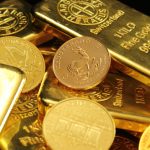
Knowing the weight of your gold is essential for storage and future resale. With the previous calculation, your investment translates into about 5.26 ounces, which you can purchase in several forms, including coins, bars, or bullion. Each form carries its unique premium costs, so factor those in as you calculate overall expenses.
Table: Current Gold Price and Purchase Calculations
This table illustrates the breakdown of the $10,000 investment at several gold price points. It provides a clear view of how much gold you can acquire depending on market prices.
| Gold Price per Ounce | $10,000 Investment | Ounces of Gold Purchased |
|---|---|---|
| $1,800 | $10,000 | 5.56 |
| $1,900 | $10,000 | 5.26 |
| $2,000 | $10,000 | 5.00 |
| $2,100 | $10,000 | 4.76 |
This table shows that as gold prices increase, the amount you can purchase decreases. For instance, if gold prices hit $2,000 per ounce, your $10,000 investment drops to 5 ounces. Staying aware of these fluctuations allows you to strategize your investment better.
Consider how weight and investment shape your gold purchasing decisions. By tracking gold price movements and understanding the relationship between weight and cost, you position yourself for future investments with confidence. The U.S. Mint also offers valuable insights into gold coin pricing, ensuring you stay informed on potential options.
History of Gold Prices
Gold prices have fluctuated significantly over the years due to various economic factors. Understanding these trends helps you make informed decisions regarding gold investments.
Long-Term Trends
Long-term trends in gold prices indicate a steady upward trajectory, especially during periods of economic downturn. Historical data shows prices surging from around $400 per ounce in 2004 to nearly $2,000 per ounce by 2020. Investment in gold often serves as a hedge against inflation and currency devaluation, making it a preferred asset during times of uncertainty. According to the U.S. Geological Survey, increased global demand and limited supply contribute to these trends. You might find it insightful to access the U.S. Geological Survey for more information regarding gold resources and data.
Recent Price Changes
Recent price changes reveal how responsive gold prices are to current events and economic sentiment. For instance, prices reached approximately $1,900 per ounce in 2023 amid rising inflation and geopolitical tensions. Central bank policies, particularly by the Federal Reserve, play a crucial role in influencing market confidence and, consequently, gold prices. Given current economic conditions, you may observe continued fluctuations. Regularly monitoring prices proves essential for making timely investments.
Price Influences Table
Key Influencers on Gold Prices
The following table summarizes key factors influencing gold prices over the past decade.
| Year | Gold Price per Ounce | Inflation Rate (%) | Central Bank Gold Purchases (Tonnes) |
|---|---|---|---|
| 2015 | $1,060 | 0.12 | 24 |
| 2016 | $1,150 | 1.26 | 25 |
| 2017 | $1,257 | 2.13 | 38 |
| 2018 | $1,267 | 1.91 | 30 |
| 2019 | $1,393 | 1.81 | 50 |
| 2020 | $1,898 | 1.23 | 50 |
| 2021 | $1,799 | 4.70 | 90 |
| 2022 | $1,814 | 6.22 | 140 |
| 2023 | $1,900 | 3.70 | 130 |
This table illustrates the correlation between gold prices and inflation rates. As inflation escalates, the demand for gold typically rises, often leading to increased prices. Understanding these patterns can guide your investment strategies and timing.
For a more in-depth look at gold price trends, the U.S. Mint provides up-to-date statistics on gold coins and market influences. Tracking these metrics helps you gauge where the market is headed.
Investment Considerations
Investment in gold involves multiple factors beyond just the current price. Understanding these aspects helps create a balanced investment strategy. You’ll want to consider the risks associated with gold, alternative investments, and the market dynamics that influence your decisions.
Risks of Investing in Gold
Investing in gold carries specific risks, including price volatility and market manipulation. Prices can fluctuate significantly due to geopolitical events, economic data releases, or changes in currency valuations. You might face unexpected declines just as easily as upswings. For example, a rapid withdrawal of gold reserves by central banks can alter market dynamics. The uncertainty surrounding gold also leads to lower liquidity compared to stocks, making it more challenging to buy or sell at desired prices.
Additionally, storage and insurance costs add to the overall expense of holding physical gold. Security risks related to theft are another consideration when keeping substantial quantities. The U.S. Securities and Exchange Commission (SEC) provides insights into these risks, emphasizing thorough research before committing to gold investments. You can access valuable information about safer investment strategies at SEC’s website.
Other Investment Options
While gold offers some unique benefits, it’s not the only investment avenue. Stocks, bonds, and real estate often provide better returns without the complexities involved in gold ownership. Have you considered the advantages of diversifying your portfolio? Each investment type comes with its own risks and rewards, making them suitable for different investment horizons and risk tolerances.
Bonds, for instance, generally provide steady income with lower risk. Meanwhile, stock investments typically yield higher returns over the long term but carry greater risks of loss. Real estate offers potential appreciation and rental income, with varying degrees of risk based on location and market conditions. The U.S. Mint outlines various investment strategies, including modern approaches to diversification on their website.
Gold Price Influences
Understanding what influences gold prices helps in making informed decisions. The table below summarizes how various economic indicators correlate with gold price fluctuations.
Key Economic Indicators and Gold Prices
| Indicator | Change Impact on Gold Price | Description |
|---|---|---|
| Inflation Rate | Increases | Higher inflation typically boosts gold’s appeal as a hedge. |
| Currency Strength | Inversely Proportional | A weaker dollar makes gold cheaper for foreign buyers, increasing demand. |
| Central Bank Policies | Variable | Easing monetary policy can lead to higher gold prices. |
| Geopolitical Stability | Positive | Increased instability boosts gold investment as a safe haven. |
This table illustrates the direct relationship between economic trends and gold prices. Inflation tends to drive up gold prices, positioning it as a reliable hedge against eroding currency values. As central banks loosen their monetary policies, demand for gold often rises, reflecting how market sentiment reacts to fiscal changes. Monitoring these indicators provides a framework for understanding potential price movements, aligning your investment strategies with the economic landscape.
Exploring diverse investment options while staying informed about market dynamics helps strengthen your overall portfolio. Consider consulting resources like the U.S. Geological Survey for a broader perspective on gold’s role in the market. Gathering insights from these sources can lead to better-informed decisions when weighing the value of gold against other investment opportunities.
Key Takeaways
- Gold Price Dynamics: Gold prices fluctuate due to multiple factors such as inflation, currency strength, and interest rates. Understanding these dynamics is crucial for strategic investment decisions.
- Investment Calculation: With current gold prices around $1,900 per ounce, a $10,000 investment can purchase approximately 5.26 ounces of gold, but this quantity varies with price changes.
- Long-Term Trends: Historical data indicates a steady increase in gold prices, particularly during economic downturns, making gold a popular hedge against inflation and currency devaluation.
- Investment Risks: Investing in gold involves risks like price volatility and security issues. Understanding these risks, as well as potential storage costs, is essential for investors.
- Comparative Investments: Gold is one of many investment options. Diversifying your portfolio with stocks, bonds, or real estate can offer different risks and returns, so consider multiple asset classes.
- Market Monitoring: Ongoing monitoring of gold prices and market conditions can greatly influence buying decisions and overall investment strategy. Use reliable sources for the latest trends and insights.
Conclusion
Investing $10,000 in gold today can yield approximately 5.26 ounces based on current market prices. However, it’s crucial to remember that gold prices fluctuate due to various factors like economic conditions and geopolitical events. Staying informed about these trends will empower you to make better investment decisions.
Consider the different forms of gold available and their associated costs. Whether you choose coins, bars, or bullion, each option has unique advantages. By regularly monitoring the market and consulting reliable sources, you’ll be well-equipped to navigate the gold investment landscape effectively. Gold can be a valuable part of your portfolio when approached with knowledge and strategy.
Frequently Asked Questions
How much gold can I buy with $10,000?
With gold priced at around $1,900 per ounce, you can purchase approximately 5.26 ounces of gold with a $10,000 investment. However, keep in mind that prices fluctuate, so it’s vital to check current rates before making a purchase.
What factors influence gold prices?
Gold prices are influenced by various factors, including inflation rates, currency strength, interest rates, supply and demand, and geopolitical tensions. These elements can lead to significant price changes, so staying informed about market trends is essential for investors.
Why is gold considered a good investment?
Gold is often seen as a safe-haven investment, especially during economic downturns. It serves as a hedge against inflation and currency devaluation, providing long-term stability and diversification in an investment portfolio, making it appealing in uncertain times.
How can I stay updated on gold prices?
To stay updated on gold prices, refer to reliable sources like the U.S. Geological Survey and the U.S. Mint. These platforms provide real-time data and market trends to help you make informed investment decisions.
What are different forms of gold available for purchase?
Gold is available in several forms, including coins, bars, and bullion. Each form has different premium costs and characteristics, so it’s important to research which option best suits your investment strategy and goals.