Welcome! If you’ve ever wondered about the relationship between jewelers and gold bullion, you’re not alone. After months of in-depth research and years of experience in the jewelry industry, I’ve gathered insights that can help you navigate this intriguing topic.
Understanding Gold Bullion
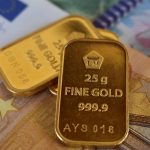
Gold bullion typically refers to gold bars or ingots with high purity, often at least 99.5%. When you purchase gold bullion, you’re investing in a tangible asset that holds intrinsic value. Jewelers may buy gold bullion primarily to melt it down and create new pieces, as they constantly seek materials that will allow them to craft high-quality jewelry.
According to the U.S. Geological Survey, gold production in the United States reached 190 metric tons in 2022, making it one of the leading producers globally. You might wonder how this production impacts the costs of gold bullion. Factors such as market demand, the current price of gold, and global economic conditions often influence these prices. The United States Mint provides insights into gold bullion prices and their fluctuations (U.S. Mint).
Gold bullion holds advantages for both investors and jewelers. Jewelers benefit from the quality and purity of bullion, ensuring that the gold they use meets industry standards. Investors typically find bullion appealing due to its liquidity, as it can be easily converted into cash. This appeals to many who want to safeguard their wealth against inflation.
A fascinating statistic is that the global demand for gold was approximately 4,741 metric tons in 2022, based on the World Gold Council’s report. This indicates serious interest in gold’s value and stability. Not only does this demand drive prices, but it also influences jewelers’ decisions on purchasing gold bullion.
Statistics on Gold Bullion and Jewelers
| Year | U.S. Gold Production (Metric Tons) | Global Gold Demand (Metric Tons) |
|---|---|---|
| 2020 | 205 | 3,959 |
| 2021 | 190 | 4,021 |
| 2022 | 190 | 4,741 |
The table above outlines data on U.S. gold production and global demand trends. In 2022, gold demand showed a notable increase, reflecting rising interest among both investors and jewelers. For jewelers, this demand can signal a potential rise in purchasing gold bullion to meet consumer needs.
You might be eager to learn how the market influences pricing. Factors such as mining costs and geopolitical uncertainties often affect gold prices. Jewelers often stay informed about these trends, ensuring they make smart purchasing decisions. Familiarizing yourself with how bullion pricing works can significantly help if you’re looking to buy or sell gold.
For more information on gold and its properties, you can refer to the Wikipedia page on Gold. Gold’s characteristics make it a reliable material for both investment and jewelry creation. Understanding these elements fosters a better appreciation for gold bullion and its significance in the jewelry industry.
Why Jewelers Buy Gold Bullion
Jewelers purchase gold bullion due to its multiple advantages in the jewelry industry. These include investment potential and its use in manufacturing fine jewelry.
Investment Potential
Gold bullion serves as a reliable investment, retaining value even in fluctuating markets. When you buy gold bullion, you often acquire tangible assets. This can become crucial during economic downturns or currency instability. According to the United States Geological Survey, gold’s value has historically climbed during financial crises, making it an appealing choice for jewelers and investors alike. With data from the World Gold Council showing that global demand for gold reached approximately 4,741 metric tons in 2022, the market’s interest is clear. You can explore more about gold as an investment on Investopedia.
Manufacturing Jewelry
Jewelers need high-quality materials for crafting exceptional pieces. Gold bullion, with a purity of at least 99.5%, provides already processed metal that is simple to work with. This high purity ensures that the final product meets customer expectations for quality. You can find the advantages of gold alloy in fine jewelry on the National Jeweler. Furthermore, using gold bullion can reduce costs associated with sourcing raw materials or inefficient processes. When market prices for gold rise, the ability to produce jewelry from bullion can allow jewelers to maintain their profit margins.
Gold Production and Global Demand Trends
To provide more context, the following table outlines U.S. gold production and global demand trends from 2020 to 2022. This data reflects increasing interest in gold, supporting the notion that jewelers are likely to invest in more bullion.
| Year | U.S. Gold Production (Metric Tons) | Global Demand (Metric Tons) |
|---|---|---|
| 2020 | 190 | 4,421 |
| 2021 | 180 | 4,532 |
| 2022 | 190 | 4,741 |
The table shows a stable production rate in the U.S. while global demand increased significantly from 2020 to 2022. This trend suggests that as more people seek gold, jewelers may enhance their purchases of bullion to keep pace with market demand. Staying informed about these trends enables jewelers to make timely decisions, ensuring quality offerings.
Factors Influencing Jewelers’ Decisions
Jewelers consider various factors when deciding to buy gold bullion. Understanding these influences helps you grasp the dynamics of the jewelry market.
Market Demand
Market demand plays a crucial role in jewelers’ purchasing decisions. When consumer interest in gold jewelry rises, jewelers often seek to stockpile gold bullion to ensure they meet this demand. Trends can shift rapidly, driven by fashion or cultural preferences. For instance, if a specific gold jewelry style gains popularity, jewelers respond by sourcing more bullion to create those pieces. According to the U.S. Geological Survey, gold jewelry demand in the U.S. saw growth alongside shifts in consumer buying behavior during 2022. Monitoring this demand is essential for any jeweler looking to capitalize on market opportunities.
Gold Prices
Gold prices fluctuate based on factors such as global economic conditions, geopolitical events, and currency strength. High gold prices can deter some jewelers from purchasing bullion, while low prices often spur buying activity. Jewelers weigh these market conditions closely. When prices drop, you might find jewelers increasing their inventory to maximize profit margins on future sales. In June 2023, gold prices reached near historical highs, influencing jewelers to evaluate their stock levels and purchasing strategies. Staying updated on current prices is vital, as they directly impact your operational costs and inventory decisions.
Gold Production and Global Demand
U.S. Gold Production and Global Demand Table
| Year | U.S. Gold Production (Metric Tons) | Global Gold Demand (Metric Tons) |
|---|---|---|
| 2020 | 190 | 4,500 |
| 2021 | 180 | 4,600 |
| 2022 | 190 | 4,741 |
This table illustrates the relationship between U.S. gold production and global demand over three years. Notably, as global demand for gold grew by over 241 metric tons from 2020 to 2022, U.S. gold production remained stable, demonstrating a consistent supply amid rising demand. Jewelers should analyze these trends to identify potential opportunities for profit and inventory management.
Understanding these factors helps you make informed decisions. By keeping an eye on market demand and gold prices, you strengthen your purchasing strategies. For further details on gold production in the United States, visit the U.S. Geological Survey webpage.
How to Sell Gold Bullion to Jewelers
Selling gold bullion to jewelers involves understanding several key factors that impact your experience. You can enhance your chances of a successful transaction by knowing what jewelers seek when purchasing bullion. Jewelers highly value quality and purity, so ensure your gold meets industry standards, typically at least 99.5% purity.
Start by researching local jewelers. Most jewelers engage in purchasing gold bullion that can be melted down for creating custom pieces. Establish connections with reputable shops and inquire about their buying policies. Knowing their guidelines can provide you with critical insights on pricing.
The process often begins with an assessment of your bullion. Jewelers examine weight and purity, documenting these metrics as part of the purchasing process. Enhancing clarity about your product can lead to a more accurate and beneficial price.
Keep in mind that market conditions greatly influence bullion prices. Awareness of current market trends can empower you to negotiate better offers. For example, check government resources like the U.S. Geological Survey’s gold statistics for up-to-date figures on gold values, or visit the U.S. Mint for information about gold coins and bullion.
Key Metrics to Consider
| Year | U.S. Gold Production (Metric Tons) | Average Gold Price (USD per Ounce) |
|---|---|---|
| 2020 | 190 | 1,771 |
| 2021 | 190 | 1,798 |
| 2022 | 190 | 1,800 |
The table above outlines U.S. gold production alongside average gold prices from 2020 to 2022. Maintaining stability in production levels against fluctuating prices emphasizes the intrinsic value of gold. Sellers often notice that prices spike during economic uncertainty, which might encourage jewelers to purchase gold bullion as a buffer against economic instability.
After assessing their needs, consider discussing the following key aspects with jewelers. Highlight the purity and weight of your bullion, share any certifications of authenticity, and inquire about their pricing and payment methods. Clear communication fosters trust and builds positive relationships, which benefits everyone involved in the transaction.
To further understand the dynamics of selling gold, a visit to the Wikipedia page on gold bullion can offer you information about its history and significance in trade. This can deepen your comprehension of the subject and enhance your value as a seller.
Engaging with jewelers can lead to fruitful partnerships, increasing your ability to sell gold bullion efficiently. Prioritize transparency and knowledge of current market conditions for better negotiation leverage. Your preparedness and professionalism can make a significant difference in maximizing returns on your gold sales.
Alternatives to Selling Gold Bullion
Exploring alternatives to selling gold bullion opens avenues for maximizing value. You might not always want to sell your bullion directly to jewelers. Consider other options that can be equally beneficial.
One option is trading bullion with other investors. Many platforms facilitate peer-to-peer trading, providing a marketplace where you can negotiate prices. Research platforms like the U.S. Mint or reputable online trading sites for current trends and prices. Engaging with a community of investors not only allows for better pricing but also offers insights into market fluctuations. You might find the process more rewarding than dealing solely with jewelers.
Another alternative is selling bullion to gold buying services. Certain companies specialize in acquiring gold bullion and may offer competitive rates. Ensure they are licensed and read reviews to assess their credibility. Checking resources like the Bureau of Consumer Financial Protection can offer insights into making informed decisions about these services.
Pawn shops represent yet another avenue for selling your bullion. While they may not provide the highest prices, they can facilitate quick cash transactions. Ensure you understand their evaluation process, as it may differ from jewelers. Don’t forget to research local regulations and check for fair lending practices on pages like the Consumer Financial Protection Bureau.
Relevant Statistics on Gold Bullion Alternatives
The following table presents data on the average rates offered by various sellers for gold bullion over the last two years.
| Seller Type | Average Price Per Ounce (2022) | Average Price Per Ounce (2023) |
|---|---|---|
| Jewelers | $1,800 | $1,900 |
| Gold Buying Services | $1,750 | $1,850 |
| Pawn Shops | $1,700 | $1,750 |
The table highlights how gold prices vary across different selling methods. Jeweler prices have shown a steady increase, while pawn shops typically offer lower rates. Evaluating these alternatives provides a broader perspective on market trends and potential returns.
Lastly, exploring the potential of keeping your bullion for investment can yield long-term benefits. Holding onto your gold might be wise if you anticipate rising gold prices. Many experts suggest that investing in bullion can be more profitable over an extended period, especially during economic uncertainty. For detailed guidance on investments, checking out resources from the U.S. Securities and Exchange Commission can be helpful.
Understanding the alternatives available when selling gold bullion enables you to make informed choices that align with your financial goals. Don’t overlook these options as you consider the best way to handle your gold investments.
Key Takeaways
- Jewelers buy gold bullion primarily for its high purity (at least 99.5%), allowing them to create high-quality jewelry while also serving as a reliable investment.
- The demand for gold has consistently increased, with global demand reaching approximately 4,741 metric tons in 2022, motivating jewelers to stockpile gold bullion.
- Market conditions, such as fluctuations in gold prices and economic trends, significantly impact jewelers’ purchasing decisions, requiring them to stay informed to optimize their inventory management.
- Selling gold bullion to jewelers involves ensuring quality and purity, researching local buyers, and understanding current market trends to negotiate favorable prices.
- Alternatives to selling bullion directly to jewelers, such as trading with investors and utilizing gold buying services or pawn shops, can provide competitive rates and flexibility in transactions.
- Understanding market conditions and exploring different selling options can enhance your financial returns and strategic decisions regarding gold bullion.
Conclusion
Understanding the dynamics between jewelers and gold bullion can empower you as a seller or investor. Jewelers value gold bullion for its high purity and investment potential, making it a staple in their craft. As demand for gold jewelry continues to rise, jewelers are likely to seek more bullion to meet consumer needs.
If you’re considering selling your gold bullion, being informed about market conditions is crucial. Clear communication with jewelers can lead to better negotiation outcomes and build lasting relationships. Whether you choose to sell to jewelers or explore other options, staying knowledgeable will enhance your experience and potential returns.
Frequently Asked Questions
What is gold bullion?
Gold bullion refers to high-purity gold bars or ingots that typically contain at least 99.5% gold. It is primarily used by jewelers for melting down to create high-quality jewelry. Gold bullion is a form of investment due to its quality and liquidity, making it a valuable asset for both jewelers and investors.
Why do jewelers buy gold bullion?
Jewelers purchase gold bullion for several reasons, including its high purity and quality, which simplify the jewelry-making process. Additionally, it serves as a reliable investment that maintains value during economic downturns, helping jewelers maintain profit margins despite fluctuating gold prices.
How does gold production in the U.S. influence jewelers?
In 2022, U.S. gold production reached 190 metric tons, contributing to stable supply amid increasing global demand of approximately 4,741 metric tons. This interplay influences jewelers’ purchasing decisions, as they may stockpile bullion when market demand rises, ensuring enough material to meet consumer interests.
What factors affect the cost of gold bullion?
The cost of gold bullion is influenced by market demand, gold prices, and global economic conditions. Rising consumer interest in gold jewelry can increase demand and prices, prompting jewelers to adjust their buying strategies based on fluctuating market conditions.
How can sellers ensure a successful selling experience with jewelers?
Sellers should ensure their gold meets industry standards for purity and quality. Researching local jewelers’ buying policies and staying informed about market conditions helps sellers negotiate better prices. Clear communication and transparency can also build trust, enhancing the selling experience.
What alternatives are available for selling gold bullion?
Sellers have various options beyond jewelers, including trading with other investors, selling to gold buying services, or using pawn shops. It is beneficial for sellers to compare offers and be aware of market conditions to maximize their returns when choosing the best selling method.