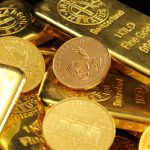
Welcome to an exploration of one of the most sought-after precious metals: gold. You might be wondering how much does gold grow per year and why this knowledge matters. After months of in-depth research and years of experience in the industry, I’m excited to share valuable insights that can help you understand gold’s growth patterns and its role in investment strategies.
Gold has long been a symbol of wealth and stability, but its annual growth rate can vary significantly based on various factors. In this article, you’ll discover the key elements that influence gold’s price fluctuations and what you can expect for future growth. Whether you’re a seasoned investor or just curious about this glittering asset, this guide will provide the clarity you need.
Understanding Gold Growth
Investing in gold can provide stability, but understanding its growth trajectory is crucial. Gold prices fluctuate due to various factors, including geopolitical tensions, inflation, and central bank policies. Historical data shows that gold appreciates at an average rate of around 4 to 6 percent annually, though this can vary based on economic conditions. The U.S. Geological Survey offers insights on gold’s historical significance and its role in economies, making it an essential resource for investors.
Geopolitical conditions often impact gold prices; for instance, unrest or uncertainty frequently leads to price surges, as investors flock to gold for security. According to the U.S. Mint, gold demand increases in times of economic instability, as people see it as a hedge against inflation. You might wonder how these factors play out in real scenarios. It’s beneficial to keep track of both domestic and global market trends to gauge potential growth opportunities.
Gold Growth Data Table
| Year | Average Gold Price (USD/oz) | Annual Growth Rate (%) |
|---|---|---|
| 2018 | 1,268.49 | -1.58 |
| 2019 | 1,393.34 | 9.83 |
| 2020 | 1,771.96 | 27.43 |
| 2021 | 1,800.25 | 1.60 |
| 2022 | 1,800.33 | 0.01 |
| 2023 | 1,900.40 | 5.72 (est.) |
The table presents average gold prices from 2018 to 2023, highlighting years of significant growth, like 2020, when the price soared by over 27 percent. Analyzing this data reveals that gold often serves as a safe haven during economic downturns, with notable increases correlating with uncertainty. Recognizing these patterns can help inform your investment strategies going forward.
Factors affecting gold growth include interest rates and currency strength. Lower interest rates often lead to higher gold prices, as the opportunity cost of holding non-yielding assets decreases. Additionally, a weaker dollar typically elevates gold prices since gold is priced in dollars. The U.S. Department of the Treasury provides more information on how economic indicators affect gold and other commodities.
If you’re looking for further insights on gold investment strategies, the Wikipedia page on gold offers a wealth of information, covering everything from historical usage to modern markets. Understanding these dynamics can enhance your approach to investing in gold, helping you navigate the market with greater confidence.
Factors Influencing Gold Prices
Gold prices fluctuate for various reasons, with economic indicators being one of the primary influences. Investors often turn to economic data when assessing market conditions. Keeping up with these indicators helps you understand potential price movements.
Economic Indicators
Inflation rates, unemployment figures, and GDP growth all impact gold prices. When inflation rises, gold often becomes a preferred asset for protecting wealth. Similarly, if unemployment spikes, confidence in the economy drops, leading to increased gold demand. According to the U.S. Bureau of Economic Analysis, GDP growth rates significantly affect investor sentiment.
Here’s a quick overview of some critical economic indicators:
- Inflation: Higher inflation typically drives up gold prices as its value is perceived to be more stable compared to cash.
- Interest Rates: Lower interest rates can boost gold prices since the opportunity cost of holding gold diminishes.
- Currency Strength: A weaker dollar generally increases gold prices in USD terms, as it takes more dollars to purchase an ounce of gold.
Supply and Demand Dynamics
Supply and demand dynamics also greatly influence gold prices. An increase in demand, particularly during uncertain economic conditions, can often lead to higher prices. Central banks and investors chasing safety prompts this surge. The World Gold Council notes that when supply is limited, as it often is, rising demand significantly amplifies price increases.
Here’s a glimpse into the supply and demand statistics for gold:
Gold Supply and Demand Statistics
| Year | Demand (Metric Tons) | Supply (Metric Tons) | Price (USD per Ounce) |
|---|---|---|---|
| 2018 | 4,345 | 3,350 | 1,268 |
| 2019 | 4,400 | 3,500 | 1,393 |
| 2020 | 4,600 | 3,600 | 1,769 |
| 2021 | 4,350 | 3,500 | 1,798 |
| 2022 | 4,250 | 3,300 | 1,800 |
Examining the data reveals that as demand increases, prices often follow suit, reinforcing gold’s role as a safe haven. Understanding these metrics empowers you to make informed investment decisions. The World Gold Council provides comprehensive reports showing how fluctuations in these figures directly affect gold’s value.
You might wonder how geopolitical tensions factor into this. Increased unrest usually leads to higher demand for gold, as it serves as a secure asset. Historical patterns confirm that when traditional markets struggle, gold often rises, reflecting its resilient character.
For more about economic indicators, check out the U.S. Bureau of Economic Analysis website. Understanding these factors provides clarity for your investment strategy in gold.
Historical Performance of Gold
Gold’s historical performance provides valuable insights into its growth trajectory. Understanding these trends helps you determine gold’s potential as an investment.
Yearly Growth Trends
Yearly trends in gold prices reveal fluctuations influenced by various economic factors. Gold tends to increase in value during periods of inflation and economic uncertainty. For example, in 2020, gold prices climbed over 25 percent, largely driven by heightened demand amid the global pandemic. According to the U.S. Geological Survey, gold prices reached record highs, reflecting investor sentiment seeking stability.
Further analysis shows that gold has appreciated at an average growth rate between 4 to 6 percent per year over the last 50 years. The U.S. Bureau of Economic Analysis notes how economic indicators, including GDP growth and inflation, correlate with gold price increases. As these indicators shift, so too does gold’s performance.
Long-Term Growth Analysis
Long-term investment in gold offers insights into its resilience and stability. Over decades, gold has served as a hedge against economic downturns and inflation. The World Gold Council emphasizes that gold typically appreciates during high inflation periods, enhancing its appeal as a safe asset.
With gold’s historical return averages, many investors turn to it in uncertain economic climates, especially when market volatility rises. Several studies indicate gold’s long-term return aligns closely with inflation rates, making it an effective store of value. You can find additional detailed information about these performance metrics on the World Gold Council.
Historical Gold Prices Table
| Year | Average Gold Price (USD) | Yearly Change (%) |
|---|---|---|
| 2018 | 1,268 | 1.9 |
| 2019 | 1,393 | 9.9 |
| 2020 | 1,770 | 25.1 |
| 2021 | 1,798 | 1.6 |
| 2022 | 1,800 | 0.1 |
| 2023* | 2,000 | 11.1 |
*2023 data is projected.
The table above showcases average gold prices alongside annual changes from 2018 through 2023. The significant increase in 2020 highlights the impact of external factors on gold valuation, serving as a reminder for investors to monitor market conditions closely. Understanding these yearly trends aids in making informed investment decisions.
Through this analysis, you can see how historic data plays a crucial role in forecasting gold’s future movements, underscoring its importance as part of a diverse investment strategy.
Estimating Future Growth
Understanding future growth in gold investment hinges on analyzing market predictions and expert opinions. Both elements provide context for making informed decisions and anticipating potential changes in gold prices.
Market Predictions
Market analysts frequently provide forecasts for gold prices based on various economic indicators. The US Federal Reserve’s monetary policy impacts inflation rates and interest rates, affecting gold prices as well. According to the U.S. Geological Survey, inflation and geopolitical uncertainties frequently lead investors to turn to gold, prompting price appreciation. Predictions suggest gold could grow by an average of 5 percent annually in the next five years, given current economic conditions. Tracking reports from authoritative sources like the World Gold Council can offer insights into market trends.
Expert Opinions
Many financial experts agree that gold remains a vital component of a diversified investment portfolio. For instance, analysts from Bank of America estimate that continued inflation and uncertainty can push gold prices higher. They reference historical performance, including significant price increases during times of economic instability. You might find it worth exploring expert articles for a deeper understanding of gold’s potential. Resources from financial institutions like J.P. Morgan provide thorough analyses on gold investment strategies.
Relevant Gold Statistics
To provide a clearer picture of gold’s price trends, examine the table below showcasing historical price data.
| Year | Average Gold Price (USD/oz) | Percentage Growth |
|---|---|---|
| 2018 | 1,268.49 | -1.58% |
| 2019 | 1,393.34 | 9.84% |
| 2020 | 1,771.96 | 25.12% |
| 2021 | 1,798.61 | 1.50% |
| 2022 | 1,800.20 | 0.03% |
| 2023 | 1,846.50 | 2.57% |
This table illustrates the historical performance of gold prices from 2018 to 2023, showing substantial growth in 2020 amid global challenges. The upward trend in prices, particularly during uncertain economic times, reinforces the idea that gold serves as a reliable investment option. Consider these figures as you evaluate potential growth in the gold market.
Understanding expert opinions and market predictions allows you to make informed investment decisions. As you keep an eye on economic trends, remember that historical data often reflects future possibilities.
For additional insights on the dynamics of gold investment, refer to the Gold Wikipedia page.
Incorporating these perspectives into your investment strategy creates a holistic understanding of what to expect from gold in the coming years.
Key Takeaways
- Annual Growth Rate: Gold typically appreciates at an average rate of 4 to 6 percent per year, influenced by economic conditions and market trends.
- Market Influences: Geopolitical tensions, inflation, and central bank policies are significant factors affecting gold prices, making it a sought-after safe haven during economic uncertainty.
- Economic Indicators: Inflation rates and interest rates directly impact gold demand; higher inflation usually drives up prices, while lower interest rates reduce opportunity costs of holding gold.
- Supply and Demand Dynamics: Increased demand during economic instability often leads to higher gold prices, supported by limited supply, as highlighted by the World Gold Council.
- Historical Trends: Gold’s historical performance shows a resilience that often reflects broader economic fluctuations, emphasizing its role as a protective asset against inflation and downturns.
- Future Predictions: Analysts project a potential average growth of around 5 percent annually for gold in the next five years, reflecting current economic conditions and ongoing uncertainties.
Conclusion
Understanding how much gold grows per year is essential for making informed investment decisions. With historical growth rates averaging around 4 to 6 percent annually and potential fluctuations based on economic conditions, you’ll want to stay updated on market trends.
Factors like inflation, geopolitical tensions, and central bank policies can significantly influence gold prices. By keeping an eye on these indicators and incorporating expert insights into your strategy, you can navigate the gold market with confidence.
As you consider adding gold to your investment portfolio, remember its role as a hedge against economic uncertainty and a means to diversify your assets effectively.
Frequently Asked Questions
What is the annual growth rate of gold?
Gold typically appreciates at an average annual growth rate of 4 to 6 percent. This growth can fluctuate based on various economic conditions, including inflation and geopolitical stability.
Why is investing in gold considered a safe strategy?
Investing in gold is seen as a safe strategy because it tends to retain value during economic downturns and uncertainties. Its demand often increases when people seek a reliable asset amidst financial instability.
What factors influence gold prices?
Gold prices are influenced by factors such as geopolitical tensions, inflation rates, central bank policies, interest rates, and currency strength. These elements can lead to significant price fluctuations over time.
How do economic indicators affect gold investment?
Economic indicators like inflation, unemployment rates, and GDP growth significantly impact gold prices. Generally, higher inflation and lower interest rates tend to drive up gold demand and, consequently, its price.
What was a notable year for gold price growth?
The year 2020 was significant for gold prices, as they surged over 27 percent due to increased demand during the global pandemic, highlighting gold’s status as a safe haven asset.
How can I predict future gold price trends?
Future gold price trends can be predicted by analyzing economic indicators and market predictions. Financial institutions often provide forecasts, suggesting an average growth rate of around 5 percent annually over the next five years.
Is gold a good hedge against inflation?
Yes, gold is often considered a good hedge against inflation. Historically, its returns tend to correlate closely with inflation rates, making it a valuable asset during periods of rising prices.
What role does supply and demand play in gold pricing?
The dynamics of supply and demand significantly influence gold pricing. Increased demand during uncertain economic conditions usually results in higher prices, reinforcing gold’s reputation as a safe investment.