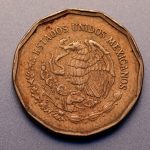
Welcome to a deep dive into one of the most fascinating topics in numismatics: the Double Eagle coin. After months of extensive research and years of experience in the coin industry, you’re about to uncover the secrets behind its remarkable value. This iconic piece of American history isn’t just a beautiful coin; it’s a treasure trove of stories and significance.
So why is the Double Eagle coin so valuable? From its historical context to its rarity and the craftsmanship involved, each aspect contributes to its allure among collectors and investors alike. Let’s explore what makes this coin not just a collector’s item but a symbol of wealth and prestige.
History of the Double Eagle Coin
The Double Eagle coin holds a fascinating history rooted in American currency. It reflects the economic climate of its time and showcases impressive craftsmanship, making it a coveted collector’s item.
Origins and Design
Introduced in 1849, the Double Eagle coin was part of an effort to accommodate the rising demand for gold currency during the California Gold Rush. The coin featured a design by famed engraver Augustus Saint-Gaudens, known for its exceptional artistry. The obverse displayed Lady Liberty, embodying freedom, while the reverse showcased a majestic eagle, symbolizing strength and pride. According to the U.S. Mint, these designs not only made the coin visually striking but also improved the coin’s acceptance in trade and commerce.
You might find it interesting that the Double Eagle includes 33.44 grams of gold, making it one of the heaviest coins minted in the U.S. Its rich gold content and intricate design lead to its position as a sought-after piece among numismatists.
Minting Process
The minting of the Double Eagle coin began at the Philadelphia Mint, where it underwent precise and labor-intensive processes. The procedure included crafting dies, striking the coin, and applying finishing touches to enhance its aesthetic appeal. Each batch met high standards set by the Mint, ensuring consistent quality. Over its history, more than 20 million Double Eagles were produced from 1849 to 1933, with a total face value of $20.
The Great Depression drastically affected the coin’s minting practices. In 1933, President Franklin D. Roosevelt took measures to halt gold coin production, leading to the rarity of surviving Double Eagles. According to the U.S. Mint, only a limited number exist today; the 1933 version became particularly famous after its auction price soared to over $7.5 million in 2002, illustrating the coin’s enduring appeal and value.
Relevant Statistics
| Year | Production Quantity | Mint Marks | Current Value (approx.) |
|---|---|---|---|
| 1849 | 1,000 | None | $5 million+ |
| 1933 | 445,500 | Philadelphia | $7.5 million+ |
| 1907 | 1,925,000 | None | $2,000+ |
The table above highlights key statistics regarding the Double Eagle’s production and value. Notice how pivotal years like 1849 and 1933 correlate with extraordinary values, revealing the coin’s significance. As minting practices shifted, these factors combined to shape the coin’s rarity and desirability.
For additional insights on the Double Eagle’s influence in U.S. history, consider visiting the U.S. Mint’s page. You’ll find extensive information about its designs, minting techniques, and ongoing relevance in modern currency discussions.
Factors Influencing Value
Several key elements contribute to the value of the Double Eagle coin. Understanding these factors can enhance your appreciation for this numismatic treasure and its significance in the collectors’ market.
Rarity and Demand
Rarity plays a critical role in determining the value of the Double Eagle coin. Coins that are hard to find, especially in high grades, naturally attract higher prices. The historical mintage figures reveal that only a specific number of coins survived due to changes in minting practices and events like the Great Depression. When demand surpasses the available supply, prices tend to rise significantly. For instance, certain years such as 1933, when only a few coins were produced, often lead to competitive bidding in auctions.
Historical Significance
The Double Eagle coin’s historical background amplifies its allure. Minted during the California Gold Rush, the coin embodies a critical moment in U.S. history, where gold fever turned ordinary citizens into miners and investors. The design by Augustus Saint-Gaudens adds another layer of artistry and historical context to the coin. Notably, the United States Mint highlights this significance on their U.S. Mint’s historical page. Collectors value coins that tell a story, and the Double Eagle’s contribution to the economic fabric of the nation makes it exceptionally worthy.
Condition and Grading
Condition significantly impacts the market value of the Double Eagle. Professional grading assesses factors like surface quality, strike, and overall appearance. Coins in pristine condition often fetch substantial premiums. The grading scale ranges from Poor (P-1) to Perfect Mint State (MS-70), affecting associate prices. Well-graded examples consistently demonstrate a correlation between condition and market price, with higher-grade coins often commanding substantial interest from serious collectors and investors.
Historical Mintage Statistics
Here’s a summary of some significant mintage years for the Double Eagle coin, along with their current market values:
| Year | Mintage | Current Approximate Value |
|---|---|---|
| 1849 | 20,000 | $2,500 |
| 1907 | 12,000 | $25,000 |
| 1924 | 1,000,000 | $1,800 |
| 1933 | 445 | $7,500,000 |
This table illustrates the interplay between mintage figures and current value trends for the Double Eagle coins. As observed, notable years like 1933 represent a peak in collectible interest and market value due to their rarity. Coins minted in years with higher production but lower demand, such as 1924, maintain a steady interest among collectors but don’t reach the astronomical prices of the 1933 variant.
Understanding these underlying factors allows you to appreciate the nuances of the Double Eagle coin’s market. Whether you’re a seasoned collector or a new enthusiast, knowing what drives value can enhance your collecting experience.
Market Trends
The valuation of Double Eagle coins fluctuates significantly based on market trends, impacting collectors and investors alike. Understanding these trends helps you navigate the intricate world of numismatics.
Recent Sales and Auctions
Recent auctions reveal just how compelling the Double Eagle coin is to collectors. For example, in June 2021, a 1933 Double Eagle sold for over $18.9 million at auction, illustrating the coin’s immense value and desirability. The number of transactions in the collector market has risen steadily, reflecting increased interest in iconic coins like the Double Eagle. The U.S. Mint provides resources that track these auctions, giving you insights into current market values.
Investing in Double Eagle Coins
Investing in Double Eagle coins can be rewarding, provided you recognize the factors that enhance value. Historical significance, scarcity, and demand all contribute to their investing appeal. Consider how each coin’s condition influences its investment potential—higher-graded coins can command substantial premiums. Did you know that coins from specific years, like 1907, often exhibit remarkable price increases? Keeping track of market trends can guide your investment decisions, but always consult reliable resources such as the Numismatic Guaranty Corporation for expert grading and valuation information.
Key Statistics of Double Eagle Coins
Several factors contribute to the value of the Double Eagle coin, ranging from minting volume to market demand. The following table summarizes key statistics from recent years:
| Year | Mintage (millions) | Average Auction Price (USD) | Notable Features |
|---|---|---|---|
| 1933 | 0.005 | 18.9 million | Series of highest value |
| 1907 | 2.22 | 2.1 million | Unique design |
| 1897 | 1.4 | 1.5 million | Lower-quality versions available |
| 1849 | 1.2 | 1 million | First year of production |
The table illustrates how mintages significantly impact current values. For example, the extremely limited mintage of the 1933 Double Eagle leads to astronomical prices at auctions, making it one of the most sought-after coins in history. Understanding these details helps you appreciate the market fluctuations and aids in making informed purchasing or investing choices.
Each transaction that takes place in the auction houses provides more data, refining your valuation knowledge of the Double Eagle coin. When you tie these market insights to historical significance, your appreciation for the Double Eagle coin deepens, enhancing your collecting or investing experience. For detailed historical context, consider visiting the National Park Service for insights on the California Gold Rush, which sets the stage for the birth of this iconic coin.
Key Takeaways
- The Double Eagle coin was introduced in 1849 to meet the demand for gold currency during the California Gold Rush, making it a significant part of American currency history.
- Its striking design by Augustus Saint-Gaudens symbolizes freedom and strength, reflecting both artistic mastery and historical importance.
- Rarity and demand significantly influence the value of Double Eagles, with limited surviving coins, especially those from pivotal years like 1933, commanding high auction prices.
- Condition and grading play a crucial role in determining market value; higher-graded coins tend to fetch greater premiums due to their exceptional quality.
- Recent auction results demonstrate the coin’s desirability, with some Double Eagles selling for millions of dollars, showcasing their potential as investment assets.
Conclusion
The Double Eagle coin stands as a testament to both history and artistry. Its blend of rarity and exquisite design makes it a prized possession for collectors and investors alike. Understanding its value goes beyond mere numbers; it’s about appreciating the rich stories and economic contexts that shaped its existence.
As you navigate the world of numismatics, the Double Eagle offers a unique opportunity to connect with a pivotal moment in American history. Whether you’re considering adding one to your collection or simply fascinated by its legacy, the Double Eagle coin remains a symbol of wealth and prestige that resonates through time.
Frequently Asked Questions
What is a Double Eagle coin?
The Double Eagle coin is a gold coin minted in the U.S. from 1849 to 1933, featuring an iconic design by engraver Augustus Saint-Gaudens. With a gold content of 33.44 grams, it is notable for its historical significance and artistic value, especially during the California Gold Rush.
Why is the Double Eagle coin significant in numismatics?
The Double Eagle coin is significant due to its rarity, historical context, and exquisite craftsmanship. It represents a unique period in American history and is highly sought after by collectors, with certain editions fetching millions at auction.
What influenced the value of the Double Eagle coin?
The value of the Double Eagle coin is influenced by factors such as rarity, demand, historical significance, and condition. Well-preserved coins, especially those from key years like 1933, can command premium prices in the market.
How many Double Eagles were minted?
Over 20 million Double Eagles were minted between 1849 and 1933. However, production ceased during the Great Depression, contributing to the scarcity of surviving coins, particularly those in top condition.
What is the most valuable Double Eagle coin?
The 1933 Double Eagle is the most valuable, having sold for over $18.9 million in June 2021. Its rarity and historical importance significantly enhance its desirability among collectors and investors alike.
How can I determine the value of my Double Eagle coin?
To determine the value of your Double Eagle coin, consider its condition, mintage year, and market trends. Grading your coin through a reputable service can also help establish its market value accurately.
Where can I learn more about the Double Eagle coin?
For more information on the Double Eagle coin, visit the U.S. Mint’s website and the National Park Service. These resources provide valuable insights into the coin’s history, designs, and its role in the California Gold Rush.